Hi, I’m Ben Schippers, a Microsoft cloud engineer running a public fleet of Claude agents after hours. I’m learning what one accountable operator can teach them to build well.
You’re in the workshop. Everything here is live.
The aquarium follows my home machine. The commit counts link back to GitHub. The physics toys are meant to be touched.
Broken Branch is where I make frontier models answer for finished work, then hand you the controls.
Frontier models changed what one person can build. They have not changed what counts as good.
Execution is getting cheap fast. The judgment, orchestration, and release call remain mine. I use that division to ship products, programs, and experiments that survive contact with other people.
Human judgment at the front. Agent execution in the middle. An accountable release decision at the end.
Operating model in public
The operator stays on the hook.
A product that must feel human. A replayable run a skeptic can challenge. A machine doing science in an empty house at 3 a.m. without hiding the miss.
I hold the problem, the quality bar, and the release decision. The fleet expands the search and executes in parallel. Inspect the operating model.
Two home machines take turns at small physics questions, around the clock. The public seedling shows the whole evidence lifecycle, including misses and work still on the bench.
Human promotion stays distinct from machine checks · every run keeps its state on the seedling
Growth Rings — 10 Months of Job Searching, Building, and Shipping with AI
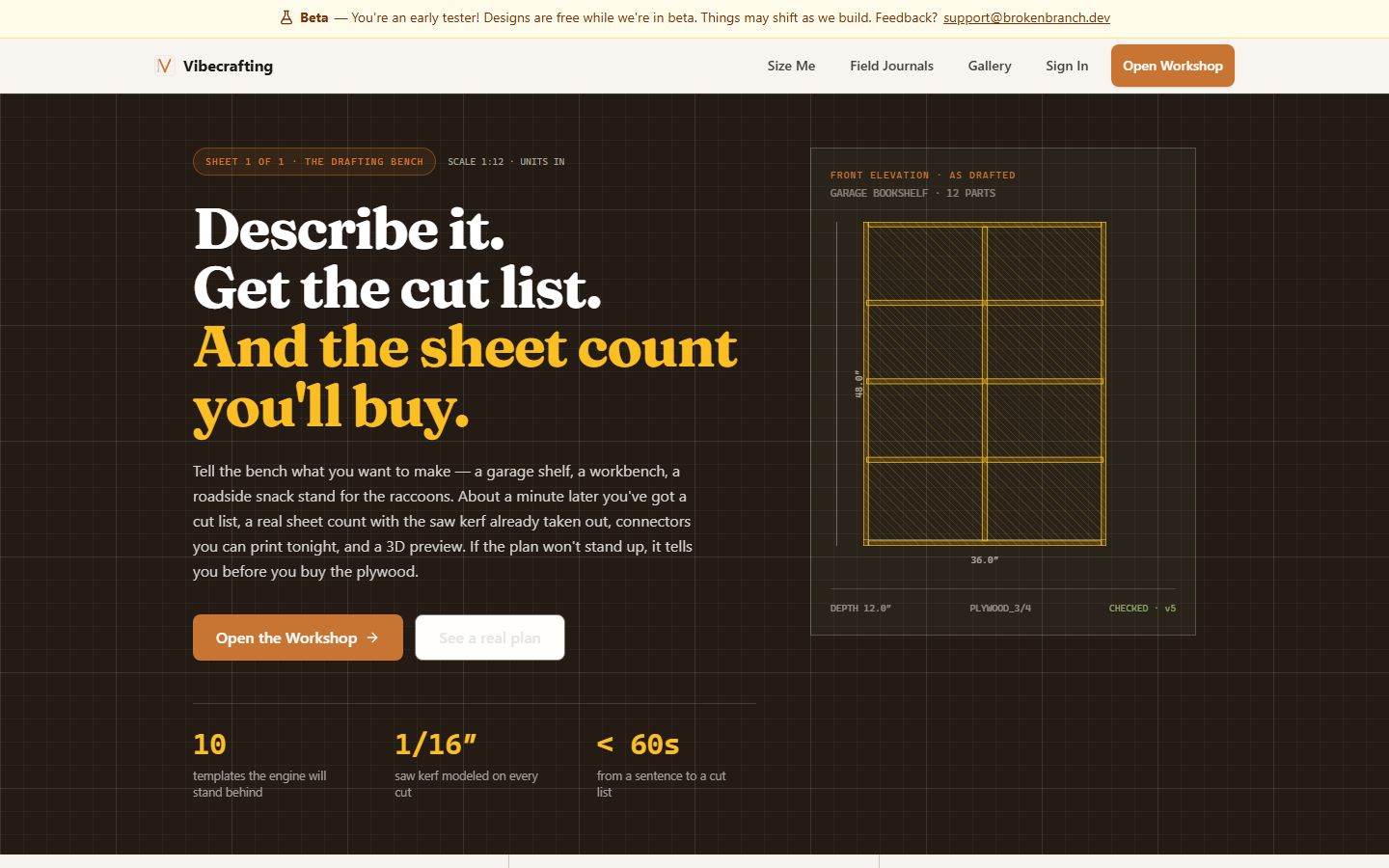
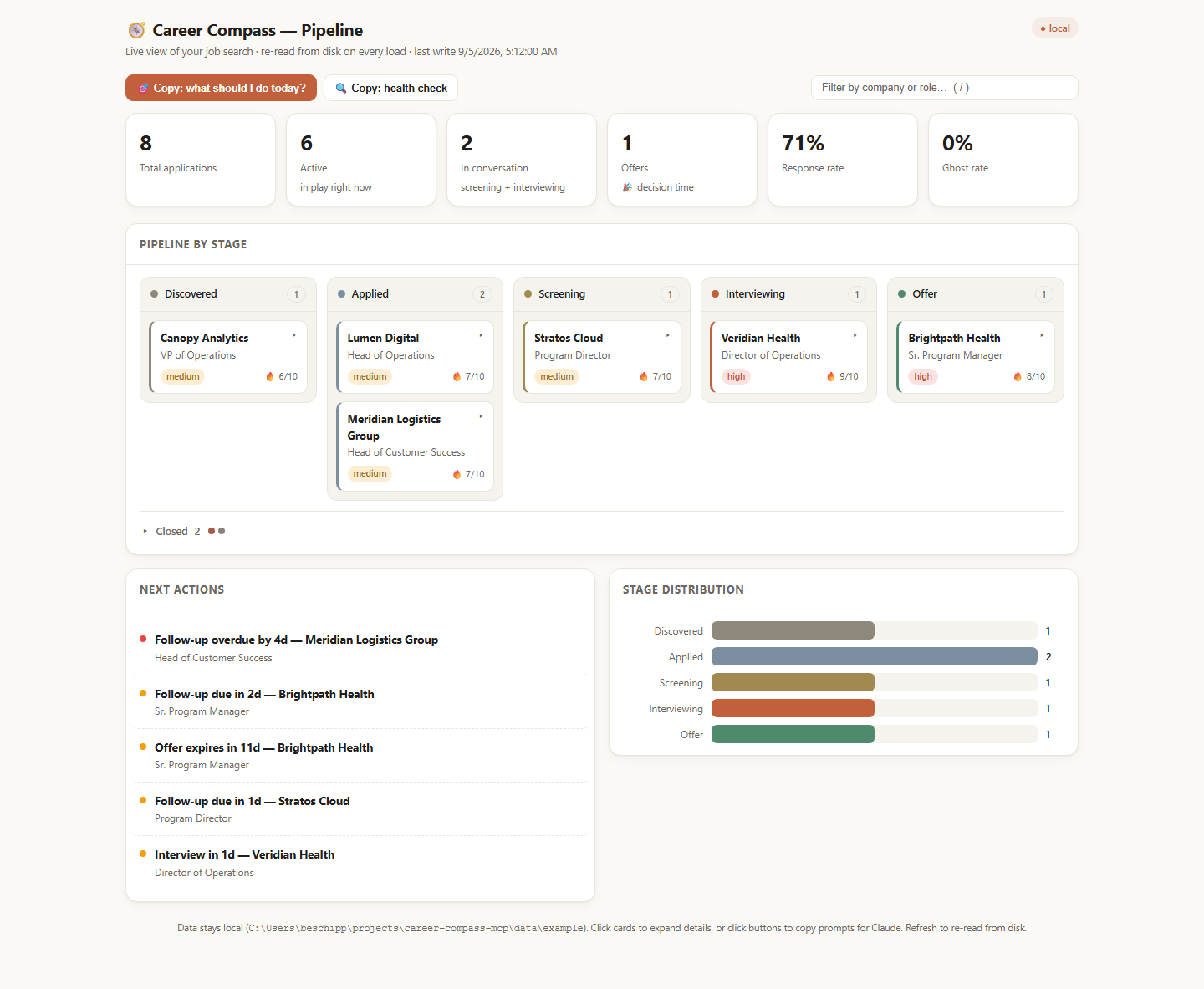
The parallel build sprint that changed the trajectory: 6 live products and 2,710 GitHub contributions in 10 months. A data-driven cross-section of one job search in the 2025-2026 tech market — what actually worked, and the funnel behind it (203 applications, 76 rejections, 34 ghosts) that made the pivot to shipping in public.
Self-sustaining AI infrastructure for global public good. A framework for converting idle compute capacity into verified outcomes through UN outcome-based funding. Whitepaper, DRAFT v2.0.
The 90-Day Death Spiral: Why 95% of AI Projects Fail
Research suggests only 5% of AI pilots deliver measurable impact. The early warning system hiding in your support tickets—and the metrics that predict failure before day 90.
Why is a Microsoft cloud engineer building a physics lab with raccoons in it?
Fair question. Start with the website. A fish in the tank surfaces only between midnight and 3 a.m.; it knows when you’re up too late. A popsicle-stick cottage stands or falls under working physics, depending on how you glue it. On the windowsill, green means human-promoted, amber means a machine check awaits review, and a folded grey leaf keeps the miss on the plant. A computer in my house waters it with science while I sleep. Anyone can leave a pebble in the soil. Humans and robots both welcome.
None of this was on a roadmap. November 2025: I had never made a single GitHub contribution. I picked up a $1,000 credit for Claude Code with one goal: see how fast a couple of side projects could burn it. The first revelation was velocity. The important one was responsibility. When execution becomes abundant, judgment becomes the bottleneck. The agents became a fleet; the fleet runs night shifts now. I hold the problem, the context, the quality bar, and the decision about what earns release. We have a lot of fun.
The lab half is citizen science with the trail attached. Every number in the fleet strip links to the GitHub search that produced it. Every experiment publishes its record. Our first discovery run came back NULL; the writeup is on the shelf with the rest. (There’s an open seat for a mathematician. Maybe you.)
The kid with the microscope and chemistry set grew into a dendrochronologist handling field samples in a tree-ring lab, and never really left. The same instinct later ran at organizational scale: Microsoft, enterprise AI, multi-team platforms, signal systems, and operating mechanisms that moved customer friction into engineering action. Broken Branch continues that work under frontier conditions.
The raccoons? I still make the first-time face every time the cottage takes its own weight. Cute gets a stranger through the door; then the physics has to hold. Try the toys. Explore with me.
The plainer arc: about ten years in the Microsoft ecosystem — five directly at Microsoft and four building Microsoft Premier through Experis — a 10-month gap where shipping in public became the job, and back at Microsoft since March 2026. The numbers, the case study, and the CV live below for anyone who wants them.
Background
Microsoft
– present
Advanced Cloud Engineer
Returned March 2026 — now on the cloud-engineering side of Microsoft's enterprise AI work. Program manager by training; engineer by current title.
Microsoft
–
Senior Program Manager, AI Platforms & Enterprise Operations
Across 5 years, spanning Copilot · Graph · Windows 365 · Teams Devices
Owned a portfolio of internal platforms across 8 product lines—signal systems, routing intelligence, self-service tools, and quality measurement. The infrastructure that turned customer friction into engineering action.
Rebuilt the signal-to-engineering pipeline from scratch. 95+ features shipped through this system; adopted org-wide.
Built routing intelligence that classifies incoming work by complexity and matches it to the right skill level.
Scaled self-service from pilot to ~50% adoption on flagship products. Tens of thousands of tickets per year that never get created.
Created early risk detection identifying 700+ at-risk customer situations before they escalate.
Built and shipped a recommender reaching 14K enterprise customers with 14% conversion.
Led crisis response for a 433K-user transition—near-zero churn.
Microsoft Premier Support
Built Premier Engineering from a 3-person pilot to 150 agents handling 60K incidents/year.
Managed partner programs spanning 1,000+ Office 365 migrations across 12 global partners.
Education
B.S. Interdisciplinary Science & Technology — University of Arizona
Former dendrochronologist. Yes, tree rings. It's where the domain name comes from.
Case Study: Copilot Extensibility — From Silos to Signal
Led the cross-functional effort to build enterprise AI adoption intelligence across multiple product lines. The signal-to-engineering pipeline I built surfaced 76 blockers and unblocked 7,380 users directly — work that helped the org add ~94,000 seats. (Program-level outcomes; my lever was the pipeline and the cross-team forum that ran on it.)
A major enterprise AI rollout was accelerating across multiple product lines with no shared visibility into adoption patterns. Customers were hitting adoption walls that no single team could see. I assembled a cross-functional team, deployed real-time case analytics, and built the feedback loop that turned support signal into engineering priorities.
By the Numbers (Microsoft era)
3 → 150agentsCo-founded the program, hired the team, built the playbook
700+blockersSurfaced from support signal that product teams couldn't see
95+features shipped64% of requests submitted to engineering accepted
220Kusers unblockedAdoption walls removed before they became churn events
94Kseats addedProgram-level outcome; customers who expanded after we resolved their blockers
If you are searching for someone to lead an ambitious AI product, technical portfolio, or special project beyond the playbook — or you push frontier models hard enough to find their edges — I want to hear from you.
Open seat — mathematician collaborator
One seat open
Erdős needs a combinatorialist — PhD student is plenty — curious what evidence-first human–AI mathematics looks like from the inside. Its first public bundle can be downloaded and verified offline: inspect the verification bundle, then take the seat.